

If you’re planning new siding for a home in Seattle, Tacoma, or anywhere in the South Puget Sound, the choice usually comes down to two materials: Hardie board (fiber cement) or cedar. Both hold up to the Pacific Northwest’s wet, mild climate when installed and maintained correctly, but they perform very differently over time. This guide breaks down cost, durability, maintenance, and appearance so you can decide which siding makes sense for your home and budget.
What’s the Difference Between Hardie Board and Cedar Siding?
Hardie board, made by James Hardie, is the most common brand of fiber cement siding: a mix of cement, sand, and cellulose fibers pressed into planks and cured. It’s engineered to resist moisture, rot, fire, and pests. Cedar siding is a natural wood product, prized for its warm grain and the way it weathers over time. Western red cedar, the variety most commonly used in this region, has natural oils that give it some built-in resistance to rot and insects, but it’s still wood, and wood absorbs moisture.
Cost Comparison: Hardie Board vs. Cedar Siding
Cedar siding typically costs less upfront than fiber cement, though the exact price depends heavily on the grade and cut you choose, clear-grain cedar runs significantly more than knotty grades. Hardie board costs more per square foot installed, but its price is more predictable and it usually requires fewer repairs over a 20 to 30 year span. When you factor in repainting, sealing, and repair over a couple of decades, fiber cement often ends up costing less over the life of the siding, even though cedar wins on initial price.
Durability in Seattle & Tacoma’s Wet Climate
This is where the two materials diverge the most. Fiber cement is engineered specifically to resist moisture damage. It won’t swell, crack, or rot from repeated exposure to rain, and it holds up well through our freeze-thaw cycles. Cedar performs reasonably well against decay when it’s properly finished and ventilated, but in a climate that sees rain most months of the year, unmaintained or poorly installed cedar siding is a common source of the moisture damage and dry rot we see on homes throughout the South Puget Sound. Cedar that isn’t sealed or repainted on schedule, or that sits too close to sprinklers, gutters, or landscaping, is especially at risk.
Maintenance: What Each Siding Actually Requires
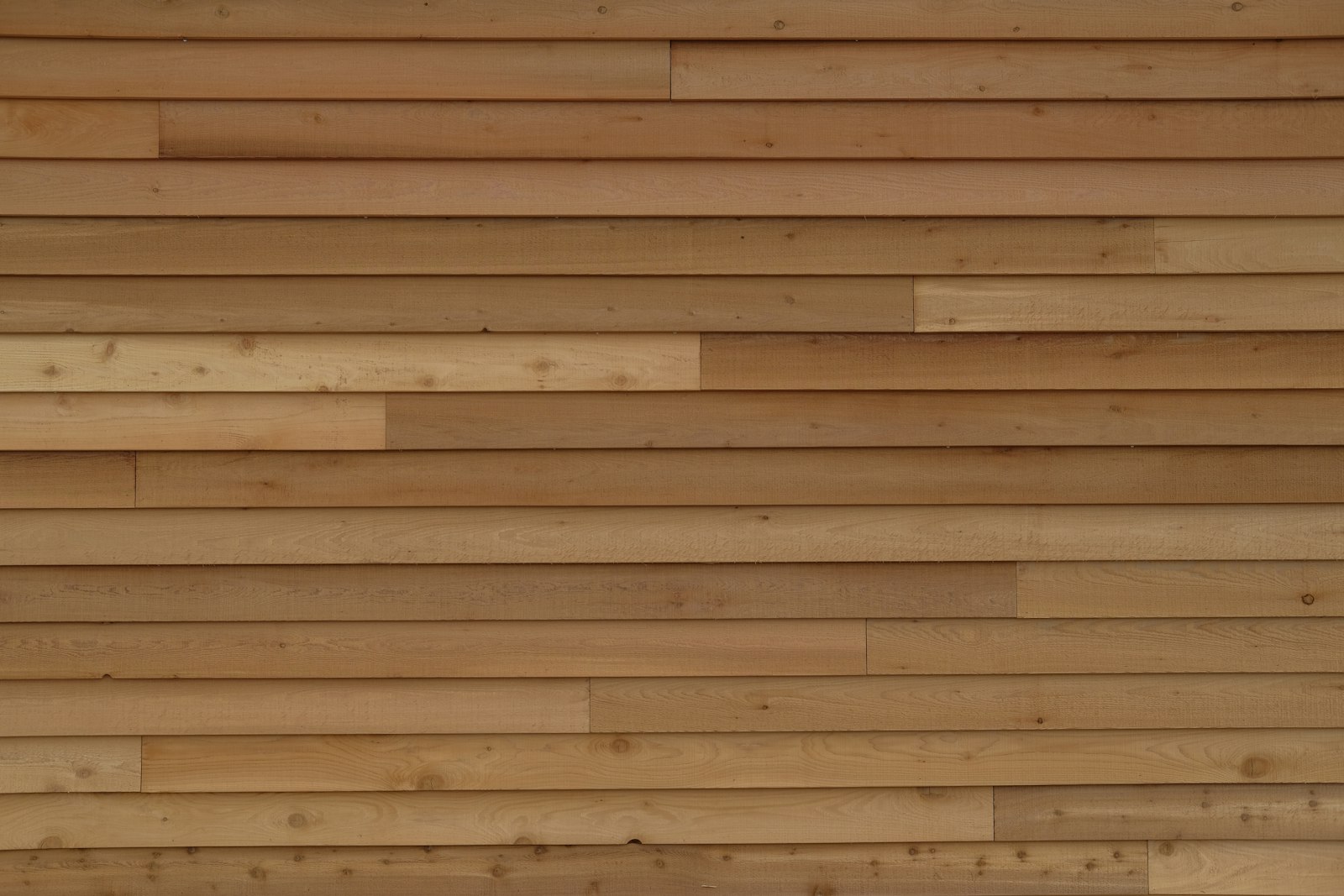
Hardie board needs repainting far less often than wood, typically every 12 to 15 years versus every 3 to 7 years for cedar, and it doesn’t need to be sealed or stained to stay protected. Cedar requires more regular upkeep: staining or sealing on a set schedule, prompt repair of any cracked or split boards, and attention to areas where moisture can collect. Homeowners who love the look of cedar but don’t want the maintenance schedule sometimes choose fiber cement siding with a wood-grain texture as a middle ground.
Curb Appeal and Design Flexibility
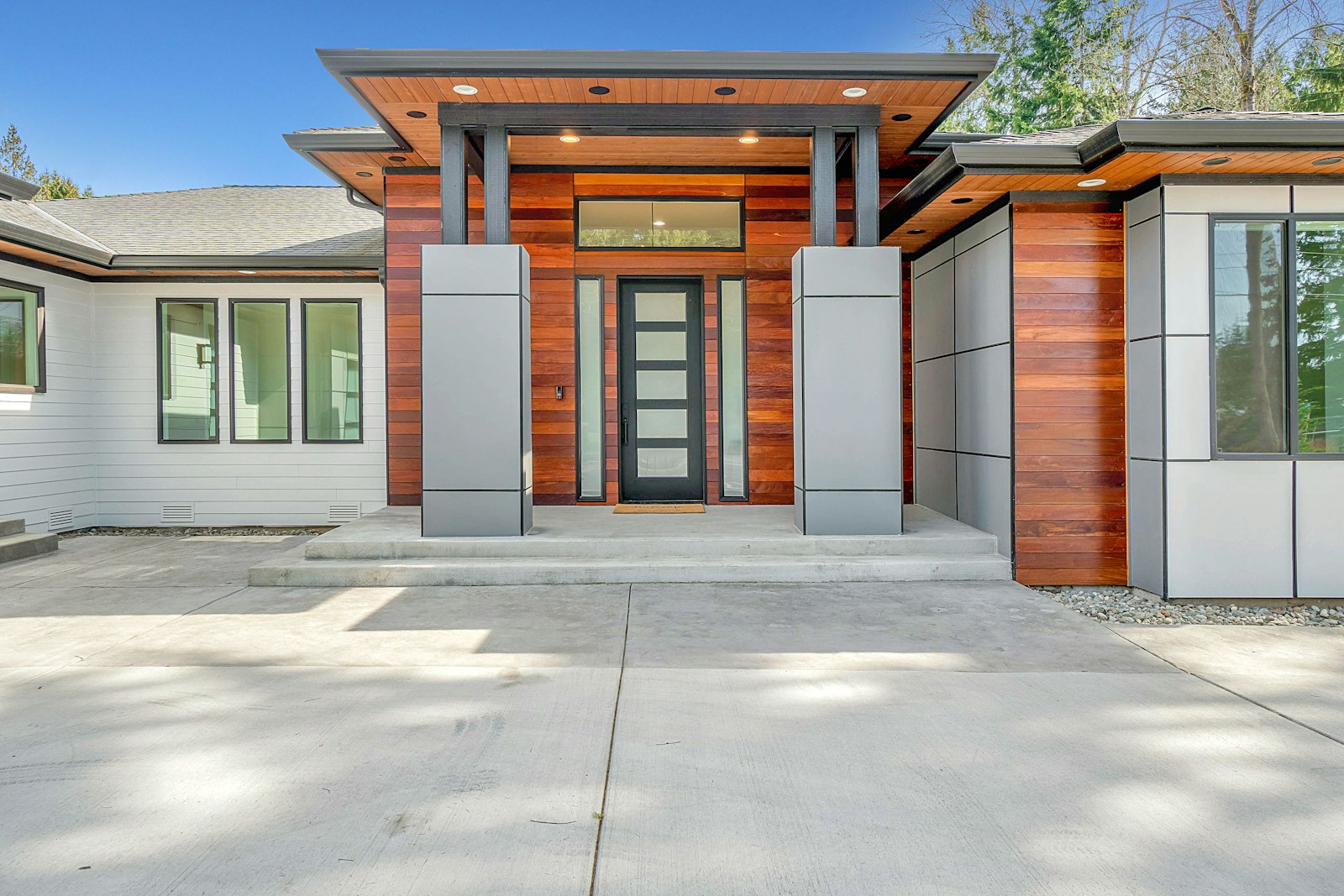
Cedar has a natural warmth that’s hard to fully replicate, and many Craftsman and Pacific Northwest-style homes are built around that look. Modern Hardie board products come in a wide range of textures, including wood-grain lap and shingle profiles, plus factory-baked colors (Hardie’s ColorPlus finish) that hold their color far longer than paint on wood. For homeowners who want the cedar look with less upkeep, a fiber cement product with a wood-grain finish is worth a look before committing to real wood.
Fire Resistance and Insurance
Fiber cement siding is noncombustible, which is a meaningful advantage as wildfire risk and insurance underwriting standards get more attention across Washington. Some insurers offer better rates for homes with fire-resistant siding. Cedar, like any wood product, is combustible unless treated with a fire-retardant finish, which adds cost and maintenance.
Which Siding Should You Choose?
If you want the lowest-maintenance option and the most predictable long-term cost, Hardie board is generally the better fit for Seattle and Tacoma’s climate. If you want the authentic look and feel of natural wood and are willing to keep up with a sealing and repainting schedule, cedar is still a great choice, especially with proper installation, ventilation, and gutter placement to keep water away from the siding. Many of the dry rot repairs we do start with cedar siding that simply missed a maintenance cycle, so if you go with cedar, plan on staying ahead of it.
Frequently Asked Questions About Hardie Board vs. Cedar Siding
Does Hardie board really last longer than cedar in the Pacific Northwest?
In most cases, yes. Fiber cement is engineered to resist the moisture and decay that our wet climate causes in wood siding over time. Cedar can last just as long, but only with consistent maintenance: sealing, repainting, and prompt repair of any damage.
Is cedar siding more likely to get dry rot than Hardie board?
Yes. Dry rot is a wood-decay fungus, so it can only affect wood products like cedar, not fiber cement. Well-maintained cedar with good ventilation and drainage can go many years without issues, but it needs more attention than fiber cement to avoid it.
How much does it cost to install Hardie board siding on an average home?
Costs vary based on square footage, siding profile, trim details, and how much of the existing siding needs to be removed, but Hardie board typically costs more per square foot installed than cedar. We provide free, itemized estimates so homeowners can compare options for their specific home.
Can you paint Hardie board siding?
Yes, though many homeowners choose Hardie’s factory-applied ColorPlus finish, which is baked on and holds its color longer than field-applied paint. If you do paint Hardie board, it holds paint significantly longer than cedar because the material doesn’t expand and contract with moisture the way wood does.
Does cedar siding need to be replaced if it has some dry rot?
Not always. Localized dry rot can often be cut out and the affected boards replaced, especially if it’s caught early. Widespread rot, or rot that’s reached structural framing, usually calls for a broader repair or replacement. We inspect the full extent of the damage before recommending a repair versus replacement.
Which siding is better for resale value?
Both are considered upgrades over vinyl siding, and fiber cement in particular is frequently cited in cost-value reports as one of the better-returning exterior projects, thanks to its durability and low-maintenance reputation. Cedar can also be a strong selling point, especially on homes where it fits the architectural style, as long as it’s been well maintained.
Can Hardie board and cedar siding be mixed on the same home?
Yes, this is a common design choice: using cedar as an accent, like a gable end, entry feature, or porch ceiling, while using Hardie board for the majority of the home’s siding. It’s a good way to get cedar’s warmth in high-visibility spots while keeping most of the exterior low-maintenance.
Get Expert Siding Advice for Your Home
Whether you’re leaning toward Hardie board, cedar, or something in between, Elevate Exteriors installs and repairs both across Seattle, Tacoma, and the South Puget Sound. We can walk your home, talk through the trade-offs for your style and budget, and give you a straightforward estimate. If your current siding already has signs of dry rot or water damage, we handle that too, along with deck, window, masonry, and painting work that affects how your siding holds up over time. Contact us today for a free inspection and estimate.